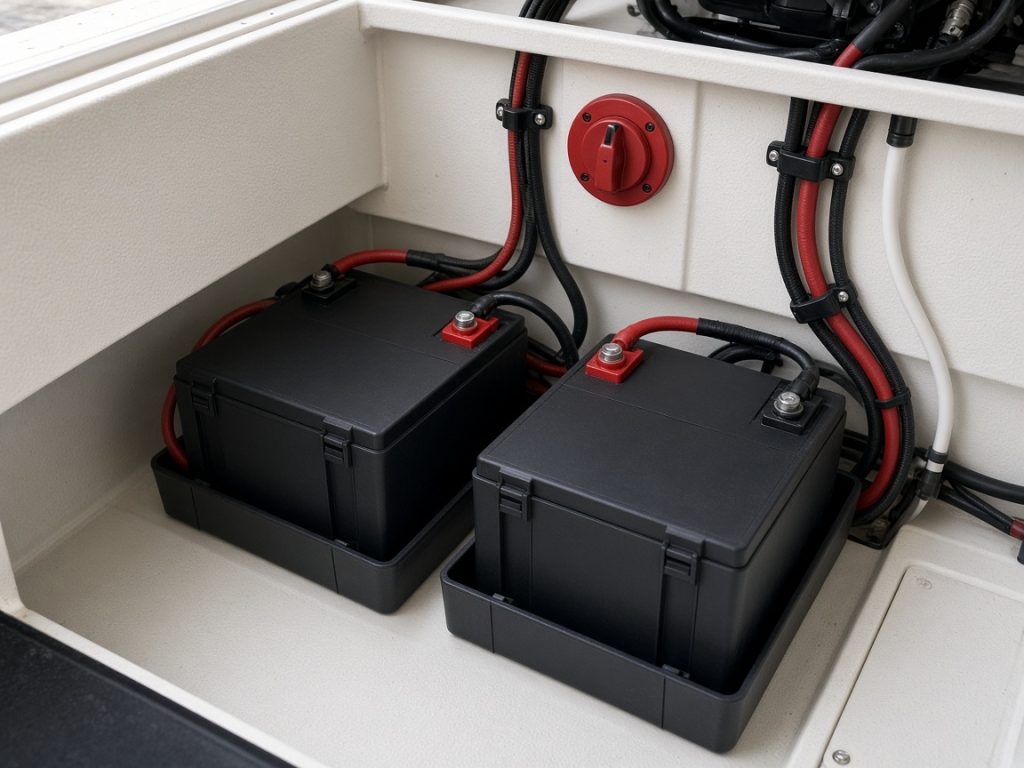
Starting & House Battery Isolation
Battery switches that isolate or combine starting and house banks, so engine starting power is kept separate and the boat can be fully shut down when moored.

DAIERTEK supplies battery switches, power distribution, circuit protection and switch panels for helm and onboard equipment. Each circuit should be matched to the damp, vibrating and corrosive conditions found on boats.
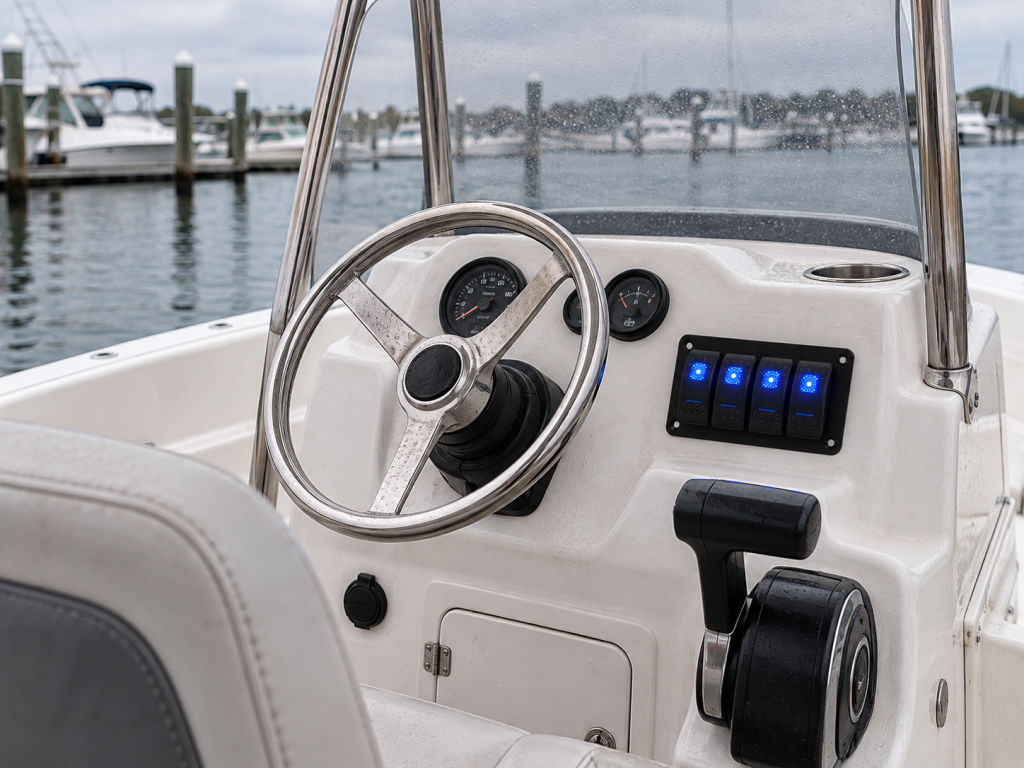
How boat builders, refitters and marine distributors use DAIERTEK components. Final model choice should follow the real circuit, load, sealing and mounting requirements.
Battery switches that isolate or combine starting and house banks, so engine starting power is kept separate and the boat can be fully shut down when moored.
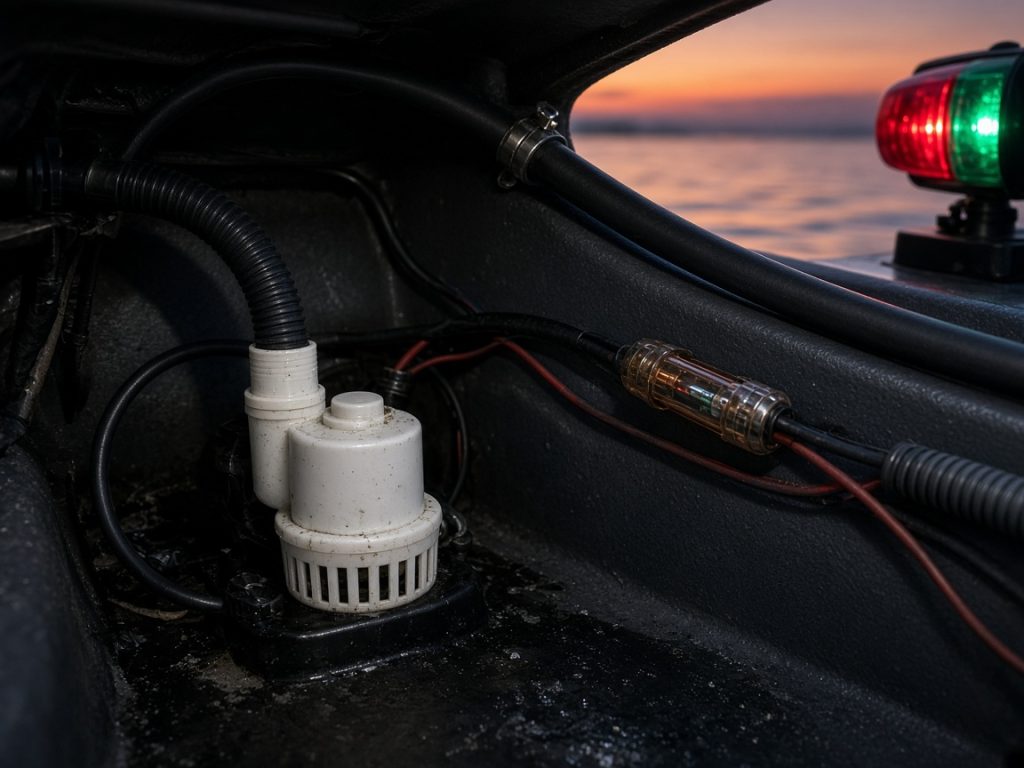
Fused feeds and switching for bilge pumps, navigation lights, anchor lights and other circuits that must stay reliable at sea.
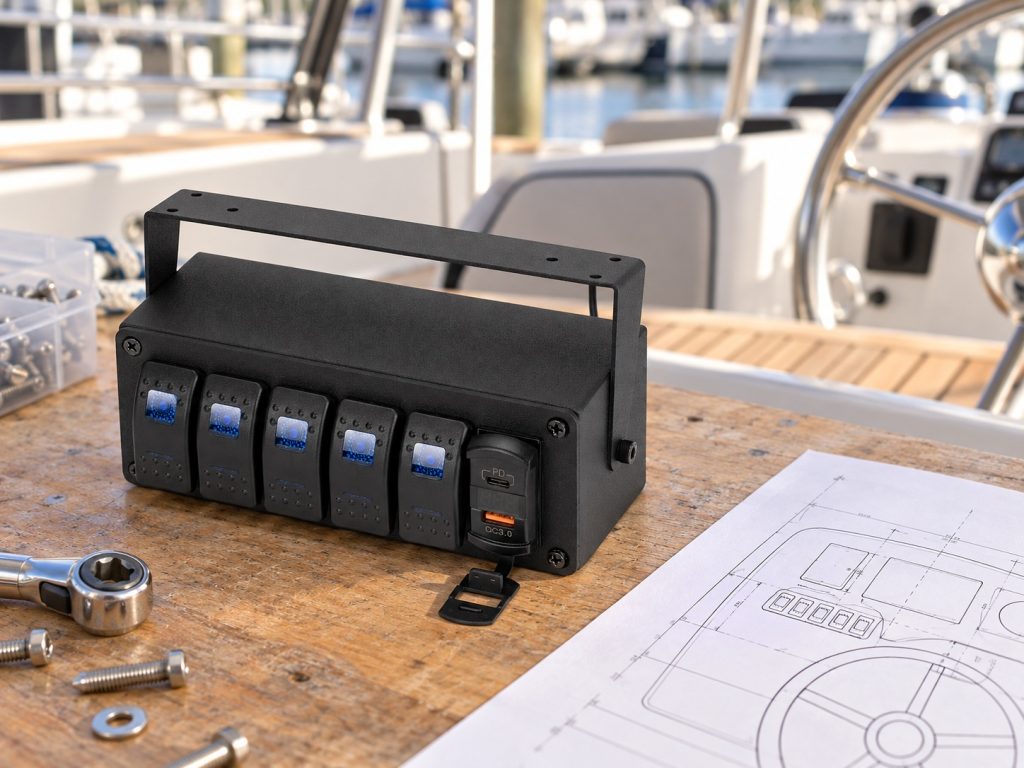
Rocker switch panels with illumination and circuit protection, grouping lights, pumps, horn and accessories at the helm.
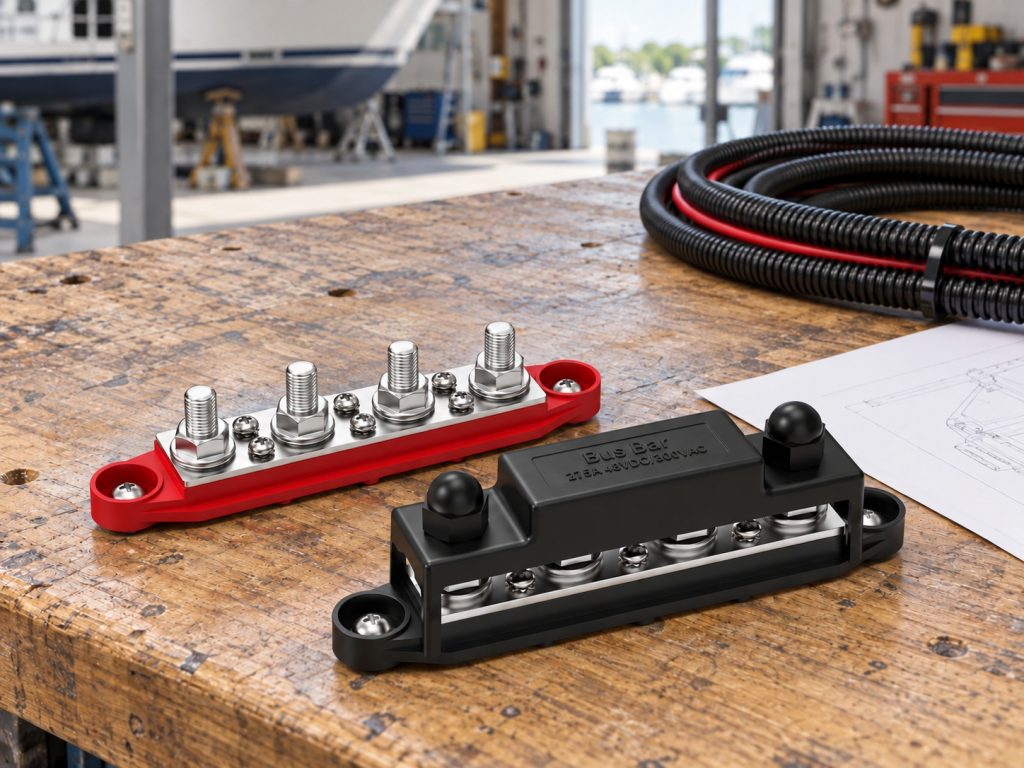
Terminals, busbars and sealed connectors for installing new equipment and repairing onboard wiring in damp, vibrating spaces.
Core product families for marine battery, distribution and helm control systems.

Bus bars, fuse blocks and distribution modules that organize DC power feeds for automotive, marine and RV electrical systems.
View More
Battery disconnect and selector switches for isolating, combining or protecting battery banks in vehicles, boats and RVs.
View More
Fuses, fuse holders and circuit breakers that help protect wiring and loads from overcurrent and short-circuit faults.
View More
Pre-assembled switch panels and control panels that centralize accessory switching for vehicles, marine and RV builds.
View More
Terminals, connectors, harness components and wiring accessories for reliable vehicle electrical connections.
View MoreDefine the battery banks first, then size protection and switching for each load and confirm the installation environment.
01 / BATTERY BANKS
List the starting and house batteries, charging sources and the engine layout. Decide whether banks must be isolated, combined or switched manually, and note the cranking and continuous current.
02 / LOADS & PROTECTION
List each load, such as bilge pump, navigation lights, windlass, electronics and cabin lighting, with steady and startup current. Size fuses or breakers to the wiring and use a relay if a switch rating does not cover the load.
03 / ENVIRONMENT
Confirm the mounting location, panel cut-out and rear depth. Check the sealing level of each part, terminal material and connector type for the exposure it will face, such as spray, humidity or engine-room heat.
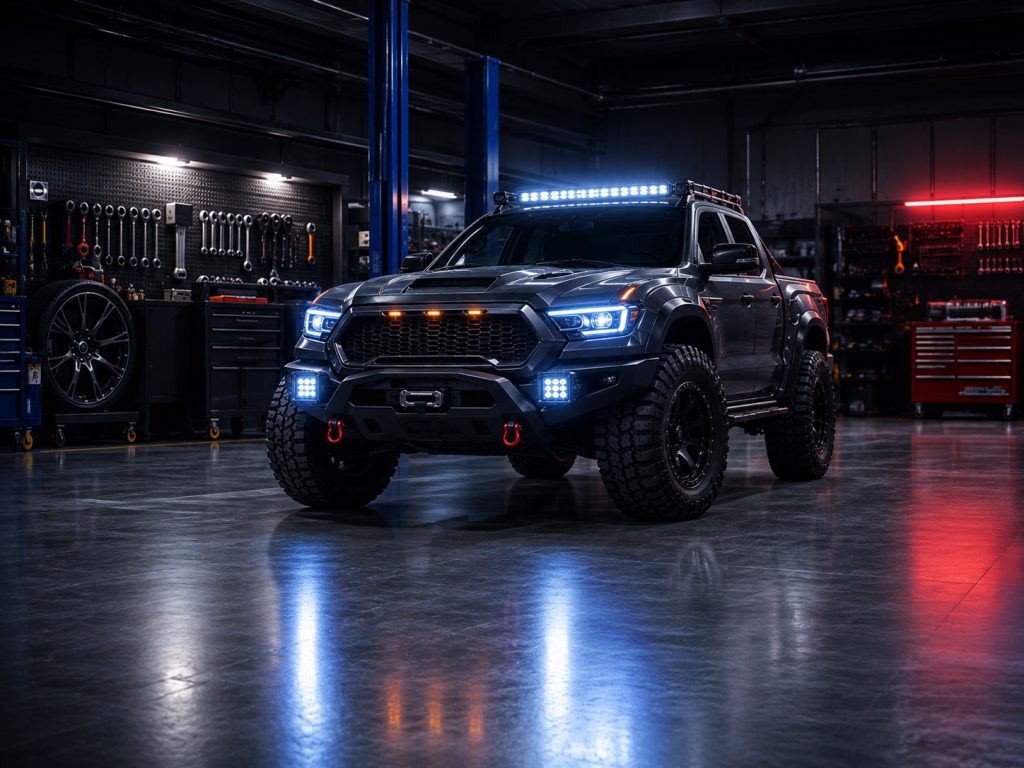
Replacement switches, auxiliary lighting controls, accessory panels, installation kits and individual-box programs.

Interior and exterior lighting, pumps, steps, awnings, ventilation, charging auxiliaries and service controls.

Purpose Vehicles – Work lights, warning systems, winches, actuators, pumps, body equipment and operator-control panels.
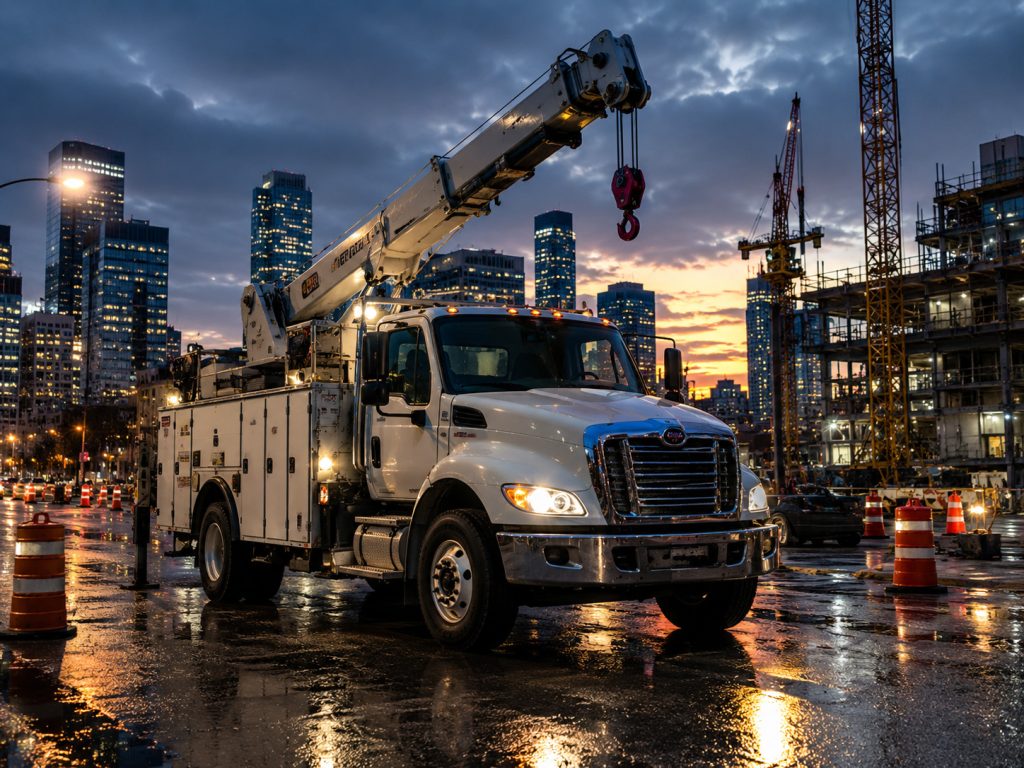
Power distribution, circuit protection, relay control and harness components for trucks, buses, service and special-purpose vehicle projects.
Share your battery layout, load list or helm panel requirements, and our team will help match the right components.
